A robot vacuum that covers every room without wandering is following a map. So how does robot vacuum mapping work? Sensors measure the surroundings, SLAM software tracks position while building a map, and the robot reuses that map to plan each clean.
The sensor choice shapes how well that map holds up in dark rooms, around glass and after furniture moves. If you are still choosing a model, browse the best robot vacuum options and related home gadgets in our consumer robots hub, then use this guide to judge the navigation behind the spec sheet.
How a robot vacuum builds its map
Mapping starts with a problem: a robot that only counts wheel turns cannot stay oriented. An EEFocus explainer on SLAM notes that a robot relying solely on odometry is prone to drift and loses its position after a few steps without a map. SLAM, short for simultaneous localization and mapping, solves this by estimating where the robot is while it works out what the room looks like.
The sensor feeding that process decides how the system is named. When the sensor is a LiDAR, the approach is called LiDAR SLAM; when it is a camera, it is Visual SLAM. LiDAR builds a 360-degree picture by sending out laser pulses and measuring how long they take to return, according to NextCurious. The same source describes loop closure, where the robot corrects gaps in its map when it returns to a spot it already knows.
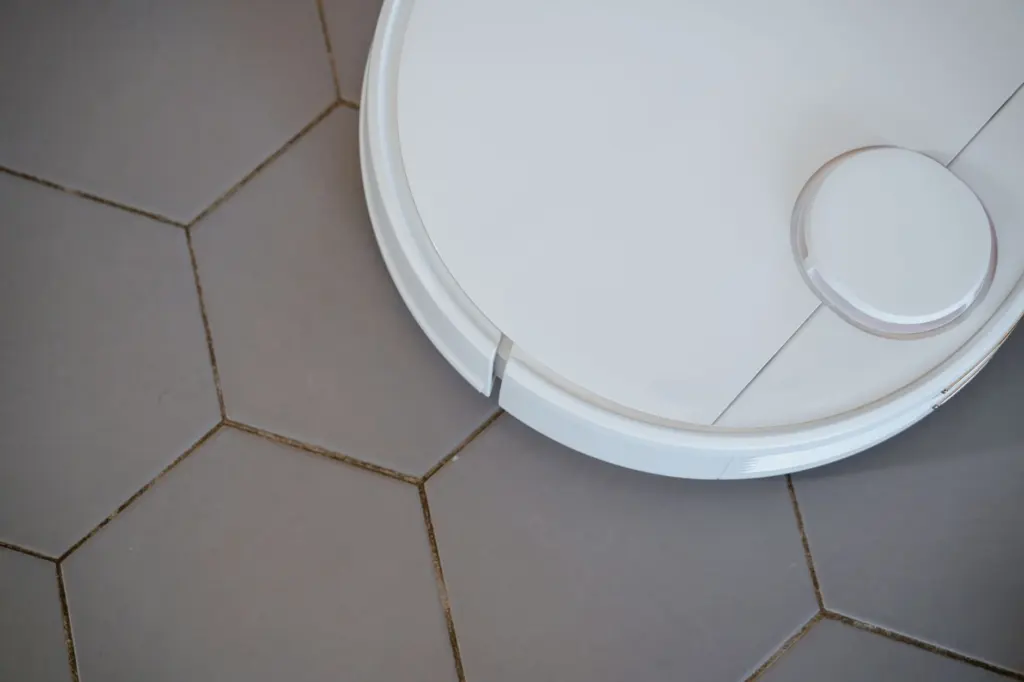
The finished map is what turns a robot vacuum from a bumper into a planner. A retailer guide to mapping and scheduling says the unit relies on stored maps to make sure every part of the home gets cleaned. The same guide says Roborock markets its navigation as PreciSense LiDAR navigation, which tells you the brand is built around a laser sensor rather than a camera.
LiDAR and camera mapping compared
The table contrasts the main approaches on the points that change a purchase decision.
| Approach | How it senses | Strengths | Weak spots | Planning use |
|---|---|---|---|---|
| LiDAR SLAM | Laser pulses across 360 degrees, timed on return | High ranging accuracy; unaffected by lighting changes; repeatable, consistent maps; finishes cleaning faster | Often misses transparent items; draws more power per minute | Suits dark rooms and layouts that stay the same |
| Camera (Visual SLAM) | Visual features tracked through a camera | Uses less power; can spot transparent items if light is sufficient | Drifts in low light or on textureless spaces such as plain white walls; takes longer to complete cleaning | Suits bright, varied rooms and buyers who value object recognition |
| Hybrid | LiDAR combined with RGB-D or ToF cameras | Balances depth measurement with visual recognition | More sensors to keep clean | Suits mixed homes with glass, dim areas and clutter |
These comparisons draw on the EEFocus SLAM overview and the NextCurious comparison of LiDAR and vision systems.
LiDAR: accurate and light-proof
LiDAR is the safer pick when the robot runs in dim rooms or while the house is dark. Laser pulses are unaffected by ambient light, so the map stays stable at any hour. The trade-off is power: LiDAR draws more power but cleans faster, so battery use per minute is higher while total cleaning time is shorter.
Camera mapping: cheaper power, more lighting risk
Camera-based robots track visual features, so they depend on having something to see. Dim settings reduce detail, confuse positioning and cause drift, and plain white walls give the software little to lock onto. Camera-based vSLAM may drift unless aided by AI or depth sensors. It uses less power but takes longer to finish a clean. Buyers with bright, furnished rooms are the best match.
Hybrid sensing: the common compromise
Deployed robots now rarely rely on a single sensor. Visual SLAM is often paired with a low-cost TOF sensor or solid-state LiDAR, and combining LiDAR with RGB-D or ToF cameras balances depth and visual recognition. For a home with glass doors, dim hallways and floor clutter, a hybrid design addresses more of the weak spots than either sensor alone.
Misunderstandings that affect buying decisions
“LiDAR always wins”
LiDAR is excellent at geometry but not at everything. Transparent items often go unseen by laser pulses, while a camera can spot them if the light is sufficient. If your home has glass furniture or clear obstacles, treat LiDAR alone as a partial answer and look for a model that adds a camera.
“A camera robot sees like a person”
A camera system sees only what the lighting allows. Low lighting can affect accuracy for visual-sensor vacuums, and drift appears in low light or on textureless surfaces. If you plan evening cleaning in unlit rooms, a camera-only design is the riskier choice.
“More no-go zones means more control”
Most AI-powered vacuums let you draw virtual boundaries on the cleaning map, and no-go zones are the standard way to protect pet bowls, cables or delicate items. Overdoing them backfires: too many restricted zones can confuse navigation. Mark only areas that truly need protection and let the robot handle the rest.
Getting a more accurate map
Map quality depends partly on the first few runs and partly on how you maintain the robot. These actions are supported by the guidance on optimizing cleaning maps:
- Let the first run finish. If the vacuum does not complete its first full run, the map may be incomplete.
- Repeat mapping runs. Run the vacuum several times in mapping mode, since the first map may be imperfect.
- Clear sensor blockers. Remove items that may block sensors, such as thick rugs or low-hanging curtains.
- Keep lighting normal for camera models. Low lighting can affect accuracy, so map a visual-sensor robot when the room is lit as it usually is.
- Remap after changes. After moving furniture or changing rugs, run a quick remapping session to keep the map current.
- Wipe the sensors. The mapping and scheduling guide advises regular wiping to avoid maintenance alerts and keep navigation working.
More from rrobots.com
Mapping is one example of how home robots turn sensor data into decisions. For more on this area, see our consumer technology coverage. If a younger family member is curious about how robots sense space, Best Robotics Kits for Kids in 2026: Hands‑On STEM Kits for Every Age and Skill Level covers building projects, and Robotics Classes For Kids: A Parent’s Guide To Choosing The Best Program In 2026 helps with structured learning.
Frequently asked questions
| Question | Answer |
|---|---|
| What is the difference between LiDAR SLAM and Visual SLAM? | The name follows the sensor. The sensor type sets the label: laser-based units are described as LiDAR SLAM, while camera-based units are described as Visual SLAM. |
| Can a robot vacuum resume after it is interrupted? | Yes. It can check its internal map to pick up where it left off. |
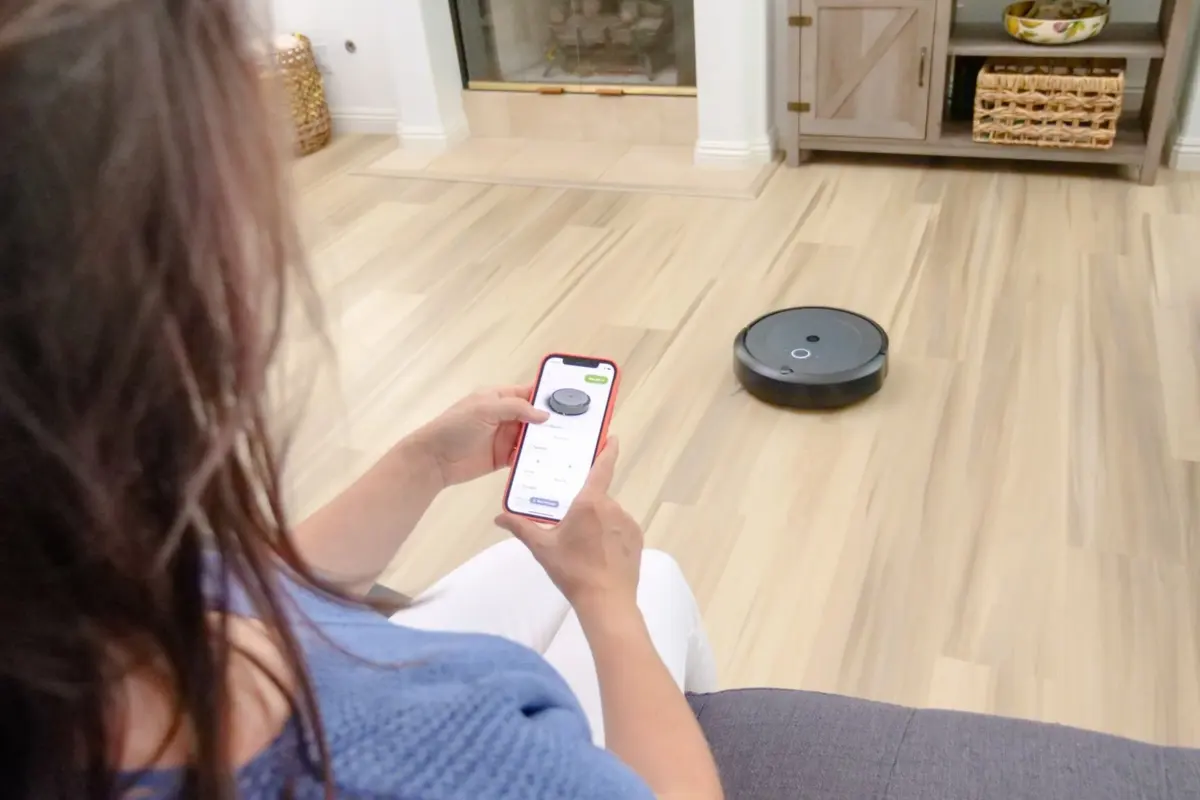
| Does Wi-Fi matter for mapping? | Most AI-powered vacuums sync cleaning maps with mobile apps, so a stable Wi-Fi connection helps. |
| Do software updates change mapping? | Software updates often improve mapping algorithms, so keep the robot’s firmware current. |