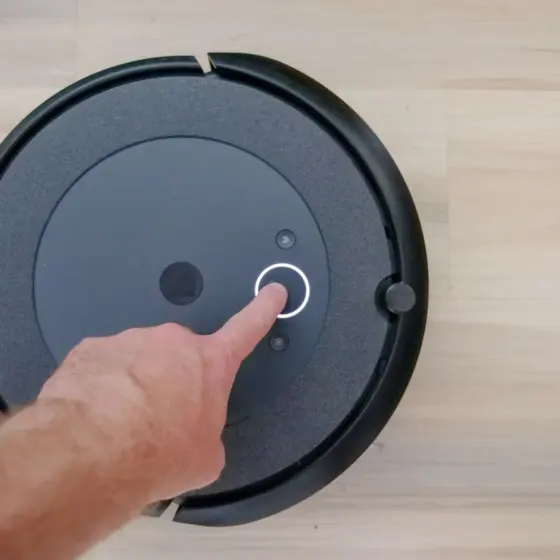
A fixed timer suits some homes and fails others: it can leave a pet household gritty while over-cleaning a quiet hardwood flat. How often to run robot vacuum depends on pets, floors and traffic: daily or every other day with pets, less on quiet hardwood.
Anyone still choosing a model can compare the best robot vacuum options before settling on a routine. The guidance below applies to most machines once they are on the floor.
Why one weekly number misleads
Owners often assume a single weekly figure covers every home. ECOVACS reports that most owners believe running a robot vacuum four times per week is sufficient. The same guidance shows why that figure is only a midpoint: hardwood floors may need just 2–3 robot runs weekly depending on foot traffic, while homes with pets benefit from daily or every-other-day runs. The right cadence comes from the home, not from the machine.
The table sets four common assumptions against what manufacturer guidance supports, so you can see which ones to drop first.
| Common assumption | What the guidance says | Planning use |
|---|---|---|
| Four runs a week suits every home | Hardwood may need only 2–3 runs weekly, depending on foot traffic. Pet homes benefit from daily or every-other-day runs. | Start from your home type, then adjust for what you see on the floor. |
| Empty the dustbin only when it looks full | Emptying after every use is best for heavy shedding pets or daily use. A smaller, low-dust home without pets can wait 2–3 cleaning cycles. | Tie dustbin emptying to shedding and to how often you run. |
| An auto-empty base needs no attention | 3i says to empty and clean the base every 1–2 weeks. ECOVACS says newer auto-empty bases typically need emptying every 45–60 days. | The brands differ widely, so treat your own model’s manual as the tiebreaker. |
| Carpet and hard floor need the same routine | Carpeted homes typically need more frequent vacuuming than hard floors because carpets trap more dirt. No set interval is given. | Run carpeted rooms more often than hard-floored ones. |
Figures come from ECOVACS’s guide to run frequency and 3i’s guide to emptying a robot vacuum.
The first row matters most, because the pet and allergy cases are where the usual number falls short.
Pets and allergies: the case for frequent runs
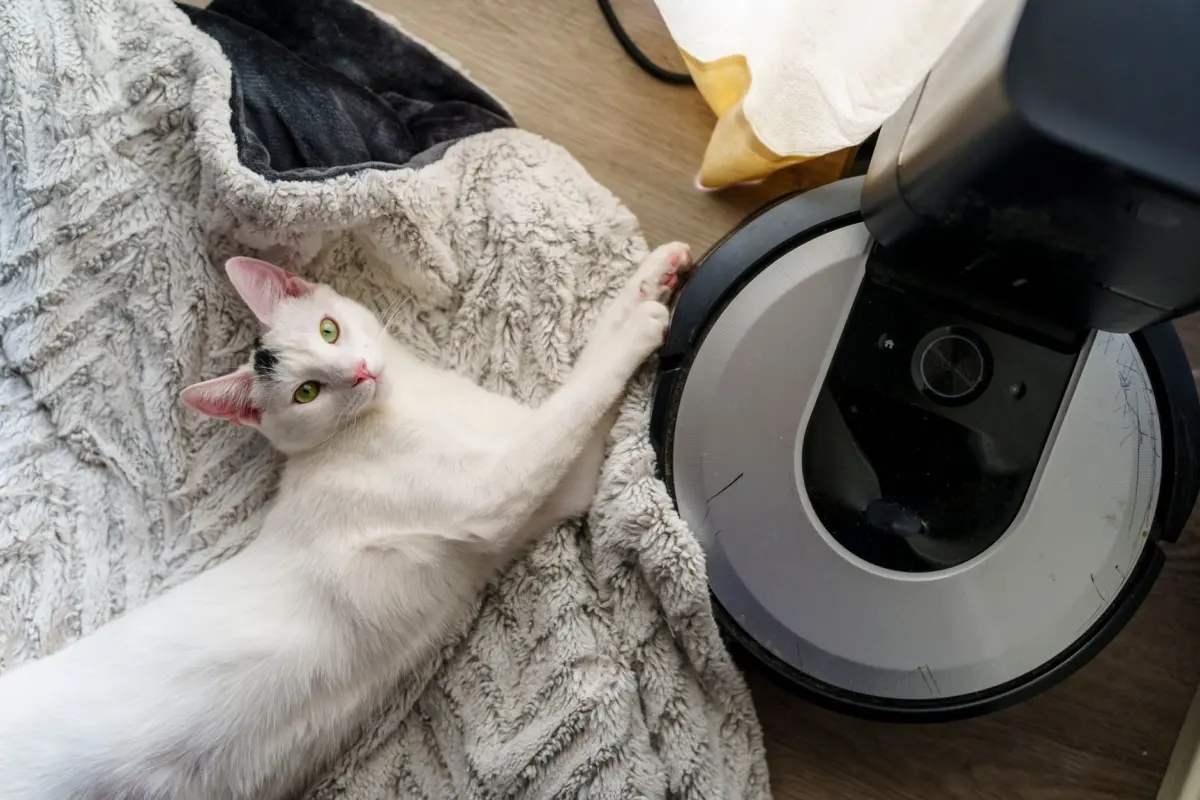
Pets are the clearest reason to run more often. ECOVACS says homes with pets will benefit from daily or every-other-day vacuuming, so a daily timer is a sensible default for a heavy shedder and every other day is a reasonable floor for a lighter one. Allergy households follow a similar pattern.
- Pet hair and dander: daily or every-other-day runs keep loose hair from building up between passes, and the dustbin fills faster, which is why 3i advises emptying after every use for heavy shedding pets.
- Low-traffic exceptions: Tech Sales Online notes that frequent vacuuming is not always necessary in low-traffic areas but is definitely useful in homes with pets or allergies. A pet that stays in one room does not justify whole-home daily runs.
- Allergy households: ECOVACS says daily or alternate-day vacuuming can reduce allergens such as dust mites, pollen and pet dander.
- Allergy season: 3i says this is when you need to run your robot vacuum more frequently, without giving a fixed interval. Treat your normal schedule as the baseline and raise it during the season.
- Filtration: ECOVACS notes that many robot vacuums now include a HEPA filter, and Tech Sales Online advises a HEPA filter if you have allergies. Check the specification before relying on a model for allergy control.
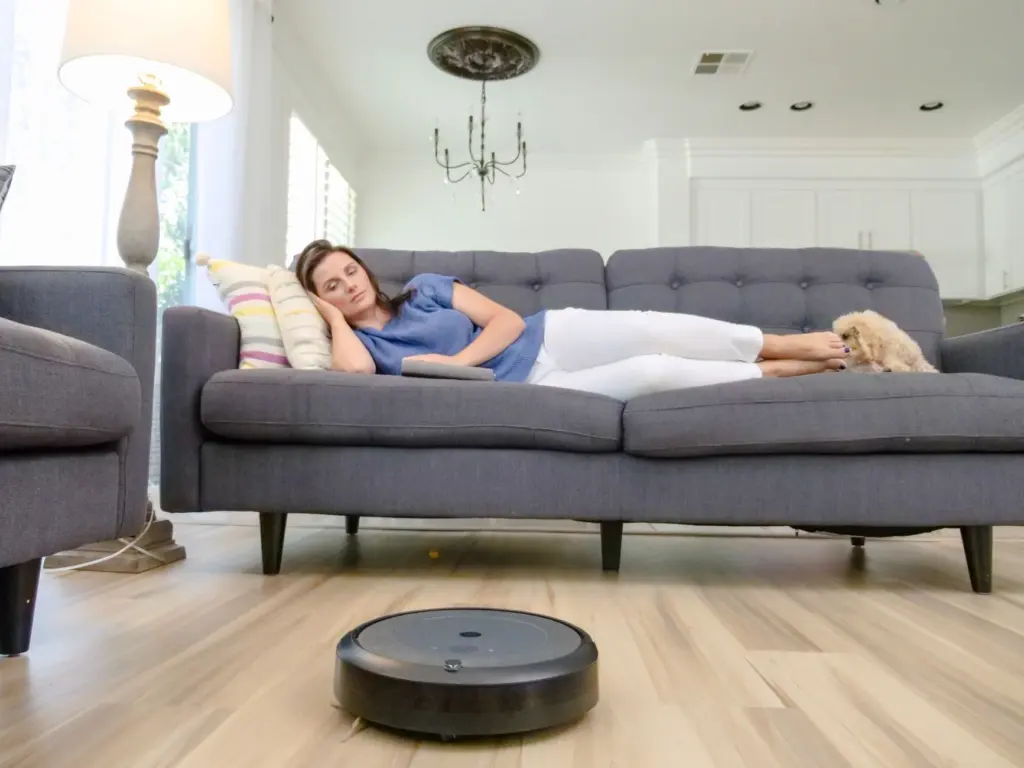
Pets and allergies set the base rate, but the floor itself also changes how much dirt each run has to deal with.
Floor type and room traffic
Hardwood and tile
Hard floors are the easiest case for cutting back. ECOVACS says running a robot vacuum 2–3 times a week might be enough on hardwood, depending on foot traffic. If the household is small and the floor is quiet, that is a good place to start, and the dustbin in a low-dust home can wait several cycles between emptying.
Mixed homes can lean on the machine’s own sensing. Tech Sales Online says Roborock models adjust their cleaning mode automatically according to floor type, which removes some of the manual tuning when hard floor and rugs share a map.
Carpet
Carpets hold more dirt, so they earn a higher frequency. ECOVACS says homes with carpets typically need more frequent vacuuming than hardwood or tile because carpets tend to trap more dirt. It gives no set interval, so start above the hard-floor cadence and add runs if the dustbin or the carpet still shows debris.
Rooms and app scheduling
Rooms with heavy use deserve more passes than the rest. ECOVACS says high-traffic rooms such as kitchens and living rooms can be cleaned 3–4 times a week. Tech Sales Online, a general vacuuming guide rather than a robot-specific one, puts the floor for high-traffic areas at least twice a week and says bedrooms are usually fine with once a week.
To schedule by room, use the companion app. ECOVACS recommends it for scheduling cleaning sessions and creating no-go zones, so you can send the robot to busy rooms often and keep it out of areas that do not need it. Whether your model can run each room on its own timer depends on its app, so check the schedule screen before planning separate room timers.
Schedule by home type
The table gathers the starting points for the most common households. Adjust each by what the floor and the bin actually show.
| Home type | Run frequency | Dustbin | Planning use |
|---|---|---|---|
| Heavy-shedding pets | Daily or every other day | After every use | Set a daily timer and empty the bin after each run. |
| Allergy household | Daily or alternate-day | After every use if running daily | Raise the frequency in allergy season. |
| Small, low-dust home, no pets, hardwood | 2–3 times per week, depending on foot traffic | Can wait 2–3 cleaning cycles | The lightest schedule; watch the floor before cutting further. |
| Busy kitchen and living room | 3–4 times per week | After every use if running daily | Prioritise these rooms in the app schedule. |
| Carpeted home | More often than hardwood or tile (no set interval) | Follow shedding and run frequency | Begin above the hard-floor cadence, then adjust. |
Run frequency figures come from ECOVACS, and the dustbin guidance comes from 3i.
A schedule only works if the machine keeps its suction, which depends on upkeep that scales with how often it runs.
Maintenance that follows your schedule
The more often the robot runs, the faster the dustbin and filter fill, so the upkeep interval follows the run schedule. Roborock’s maintenance guidance is the strictest baseline for this.
- Dustbin and suction: Roborock advises emptying the dustbin and cleaning the filter to prevent loss of suction power. Older models with bins or bags need clearing every 2–3 days, according to ECOVACS.
- Filter care: ECOVACS advises cleaning the filter every two weeks and replacing it if it is worn out. Roborock says most manufacturers recommend replacing the filter every month, so cleaning and replacing are separate jobs on different clocks.
- Thorough clean: Roborock says to give the robot vacuum a thorough cleaning at least once a month, whatever your run schedule is.
If runs seem to need constant topping up to keep floors clean, check the filter and bin before adding more runs, since a clogged filter or full bin cuts suction.
More home robots to explore
The same routine-and-upkeep mindset applies across household machines. Families whose children are curious about how robots work may like Robotics Camps For Kids: The Ultimate Guide To Summer STEM Fun In 2026, and readers wondering what comes after the vacuum can read Buying A Humanoid Robot In 2026: How To Choose The Right One For Your Home Or Business. More guides sit under Consumer Technology.
Frequently asked questions
| Question | Answer |
|---|---|
| How often should I run a robot vacuum in an ordinary home? | Hardwood homes with moderate traffic may need only 2–3 runs a week, while carpets, pets and allergies push toward daily or every-other-day runs, per ECOVACS. |
| Where should I store a robot vacuum? | Keep it out of garages and attics. Roborock warns that excessive heat and cold can harm the battery and other sensitive components. |
| How often should brushes and parts be replaced? | 3i recommends replacing brushes and vacuum parts every three to six months. |