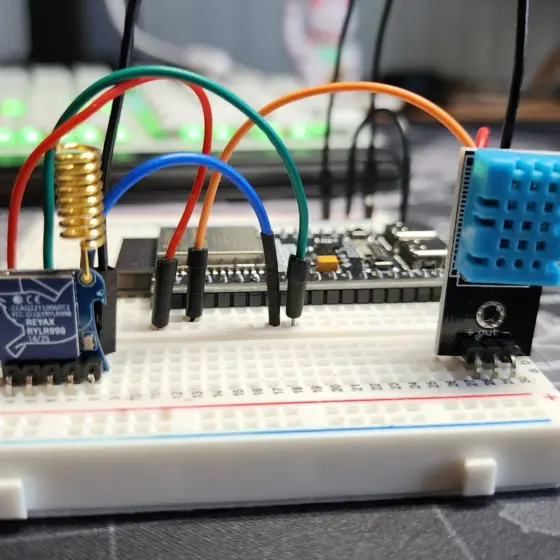
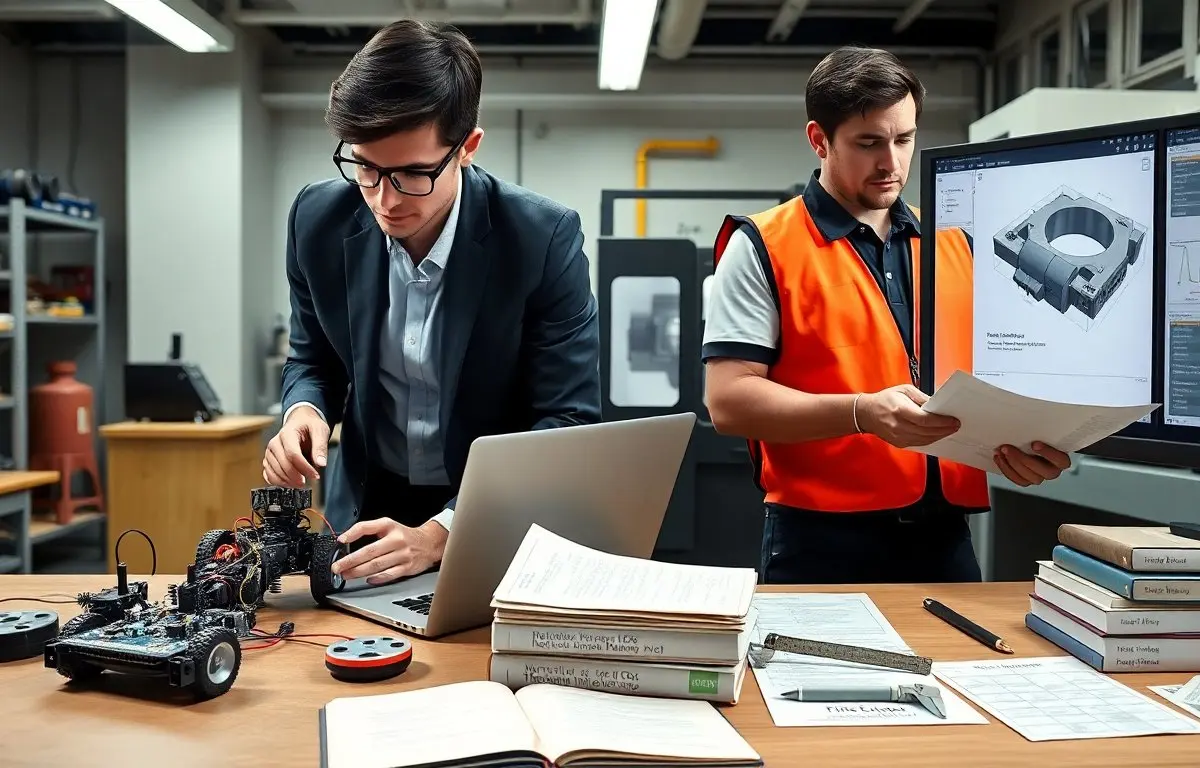
The comparison of mechatronics vs mechanical engineering helps students pick a clear path. The article defines each field, lists core differences, and outlines coursework, skills, careers, and pay. Readers get concrete facts and direct guidance. The text uses clear terms and simple sentences. The target keyword appears early and returns often to keep focus. Below are practical distinctions, examples of real student projects, hiring expectations, and decision steps you can apply when choosing between programs or planning a career.
Key Takeaways
- Mechatronics integrates mechanical engineering with electronics and control software, focusing on automation and smart systems.
- Mechanical engineering centers on machines, materials, and thermal systems, suited for heavy industry and manufacturing.
- Mechatronics students gain skills in embedded programming and system integration, while mechanical students focus on mechanics, materials, and manufacturing processes.
- Career paths differ: mechatronics graduates often pursue roles in automation and robotics, whereas mechanical engineers work in design, manufacturing, and structural analysis.
- Choosing between mechatronics vs mechanical engineering depends on interests in electronics versus mechanics, lab experience, and local industry demand.
- Graduates with interdisciplinary skills from mechatronics or mechanical engineering enjoy competitive salaries and strong job growth in specialized sectors.
What Mechatronics And Mechanical Engineering Actually Are
Mechatronics blends mechanical engineering, electronics, and control software into systems that sense, decide, and act. Examples include a pick-and-place robot that uses vision sensors and closed-loop control, or a smart HVAC damper that adjusts airflow based on embedded sensor inputs. Mechanical engineering focuses on the design, analysis, and manufacturing of machines and structures — from heat exchangers to transmission systems and lifting equipment. Mechatronics students learn sensors, actuators, embedded programming, signal conditioning, and basic circuitry. Mechanical students learn statics, dynamics, materials science, thermodynamics, and manufacturing principles. Both fields address similar design problems but approach solutions differently: mechatronics emphasizes feedback, sensing, and software-hardware integration, while mechanical engineering emphasizes force flow, stiffness, material selection, and energy conversion. Framing the choice as mechatronics vs mechanical engineering clarifies whether you want to prioritize control and electronics or traditional mechanical analysis and large-scale system design.
Core Technical Differences: Focus, Systems, And Tools
Mechatronics emphasizes integration of electrical systems with mechanical design. Typical tools and workflows include microcontrollers (Arduino, STM32), real-time control loops, PCB prototyping, sensor fusion techniques, and model-based control using tools such as MATLAB/Simulink. Workflows often iterate between hardware in the loop and firmware updates. Mechanical engineering emphasizes mechanics, material selection, and thermal analysis. Typical tools include CAD packages, finite element analysis (FEA) for stress and modal analysis, computational fluid dynamics (CFD) for flow problems, and standards-focused design calculators. Mechatronics uses microcontrollers, signal processing, and control theory; mechanical engineering uses CAD, FEA, and thermodynamics. In labs, mechatronics teams prototype circuits, write firmware, tune PID controllers, and validate system behavior across electrical and mechanical domains. Mechanical engineers prototype parts, perform destructive and non-destructive tests, test strength and fatigue, and refine tolerances for manufacturability. When comparing mechatronics vs mechanical engineering, consider the systems you’ll be building (embedded, feedback-rich machines vs load-bearing or thermal systems), and the tools you’ll use daily (oscilloscopes and debuggers vs FEA solvers and lathes). Employers value mechatronics for automation, robotics, and product-integration roles and mechanical engineering for heavy-industry, infrastructure, and traditional manufacturing roles.
Typical Coursework, Skills, And Hands‑On Training
Mechatronics curricula include embedded systems, sensors, control systems, signal processing, robotics labs, and interdisciplinary capstone projects that require hardware and software integration. Students typically code in C, Python, or C++, learn basic electronics and PCB layout, and perform system-level testing. Typical student projects: an autonomous mobile robot that navigates with lidar and PID control, or a smart actuator with embedded feedback. Mechanical curricula include mechanics of materials, dynamics, fluids, heat transfer, manufacturing processes, and lab courses that emphasize measurement, machining, and material testing. Mechanical students run FEA simulations, perform material characterization, and operate machine tools. Typical student projects: designing a gearbox for specified torque and life, or optimizing a heat sink for a power electronics module. Both majors use CAD and participate in team projects; both require strong fundamentals in math and physics. Mechatronics students grow skills in interdisciplinary design, rapid prototyping, and debugging across domains. Mechanical students grow skills in analysis, manufacturing, testing protocols, and design for reliability. The comparison mechatronics vs mechanical engineering helps students pick based on preferred classwork, lab time, programming versus hands-on machining balance, and the types of senior projects and internships they prefer.
Career Paths, Industries, And Typical Job Roles
Graduates from both programs enter a wide range of industries: automotive and electric vehicles, aerospace, consumer electronics, medical devices, industrial automation, renewable energy, and manufacturing. Mechatronics graduates often work as automation engineers, controls engineers, robotics engineers, embedded systems engineers, or integration engineers. Day-to-day tasks can include programming PLCs, designing sensor networks, tuning motion profiles, and debugging hardware-software interfaces. Mechanical graduates often work as design engineers, structural analysts, thermal systems engineers, or manufacturing/process engineers. Their daily work can include creating and validating CAD models, running FEA or CFD studies, selecting materials, and coordinating with suppliers for production. Mechatronics roles lean toward system integration, firmware development, and multidisciplinary teams; mechanical roles lean toward component design, testing standards, and production readiness. The mechatronics vs mechanical engineering choice affects industry fit: startups and smart-factory employers often prefer mechatronics backgrounds, while heavy equipment, energy, and large-scale infrastructure projects commonly hire mechanical engineers. Cross-over roles exist — for example, a mechanical engineer who adds controls expertise can move into mechatronics-like positions, and a mechatronics engineer with strong mechanics skills can lead product mechanical design.
Salary, Job Market Trends, And Future Demand
Salaries vary by role, location, industry, and experience. Entry salaries for mechatronics and mechanical graduates often sit in similar ranges at many employers, but specialization drives differences: mechatronics specialists in robotics, automation, or controls can command premiums in tech-forward regions; mechanical engineers specialized in aerospace or oil and gas can command premiums in their clusters. Midcareer mechatronics engineers can earn more in automation and robotics hubs where demand for embedded systems and machine-learning-enabled controls is high. Mechanical engineers can earn more in sectors that require deep domain expertise such as aerospace structural design or power-generation turbines. Job growth for mechatronics is linked to factory automation, electric vehicles, robotics, and the Internet of Things; demand is growing where manufacturers upgrade plants or integrate smart products. Job growth for mechanical engineering remains steady where infrastructure, construction, energy, and traditional manufacturing persist, and where large mechanical systems are redesigned for efficiency. Across both fields, workers with cross-disciplinary skills — for example, a mechanical engineer who can prototype electronics or a mechatronics engineer who understands manufacturing tolerances — are in higher demand and see faster placement. Consider local industry trends and specific employer needs when weighing mechatronics vs mechanical engineering for long-term career prospects.
How To Choose Between Them
A student should list interests, skills, and career goals and map them to program content and local opportunities. If the student likes electronics, sensors, coding, and system integration, mechatronics fits better and leads naturally into roles in automation, robotics, and embedded product development. If the student prefers solid mechanics, thermodynamics, structures, and manufacturing at scale, mechanical engineering fits better and leads into design, testing, and heavy-industry roles. Inspect program labs, faculty expertise, capstone project topics, and internship pipelines. Try short experiments: take an introductory programming or circuits course and a statics/dynamics or materials lab to compare enjoyment and aptitude. Seek internships or co-ops to test real workplace tasks before committing. Also consider elective flexibility: some mechanical programs allow controls and electronics electives that bridge to mechatronics, while some mechatronics programs let students deepen mechanics or thermofluid topics. Think about graduate study — mechatronics graduates often pursue control systems, robotics, or electrical engineering tracks, while mechanical graduates often pursue structural, thermal, or manufacturing research. Ultimately, the comparison mechatronics vs mechanical engineering is less about absolutes and more about what daily problems you want to solve, which tools you enjoy using, and which industries you want to join.
Questions To Ask Yourself When Deciding
What subjects excite the student most: circuits and code or structures and fluids? Does the student prefer building embedded systems or designing heavy parts? Which local companies hire new graduates: startups and automation integrators or manufacturers and energy firms? Does the program offer internships, co-ops, and lab access with modern equipment? Can the student take electives in both fields or join multidisciplinary capstones? Will the student pursue graduate study or jump to industry, and what research or industry connections does each program have? How much time can the student devote to hands-on prototyping versus theoretical analysis? Each question sharpens the mechatronics vs mechanical engineering choice. Use answers to build a short checklist of must-have lab courses, preferred internship types, and target job titles to evaluate programs side by side.